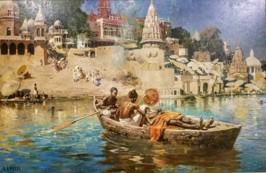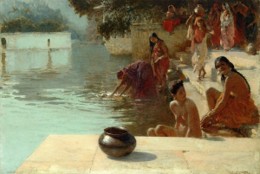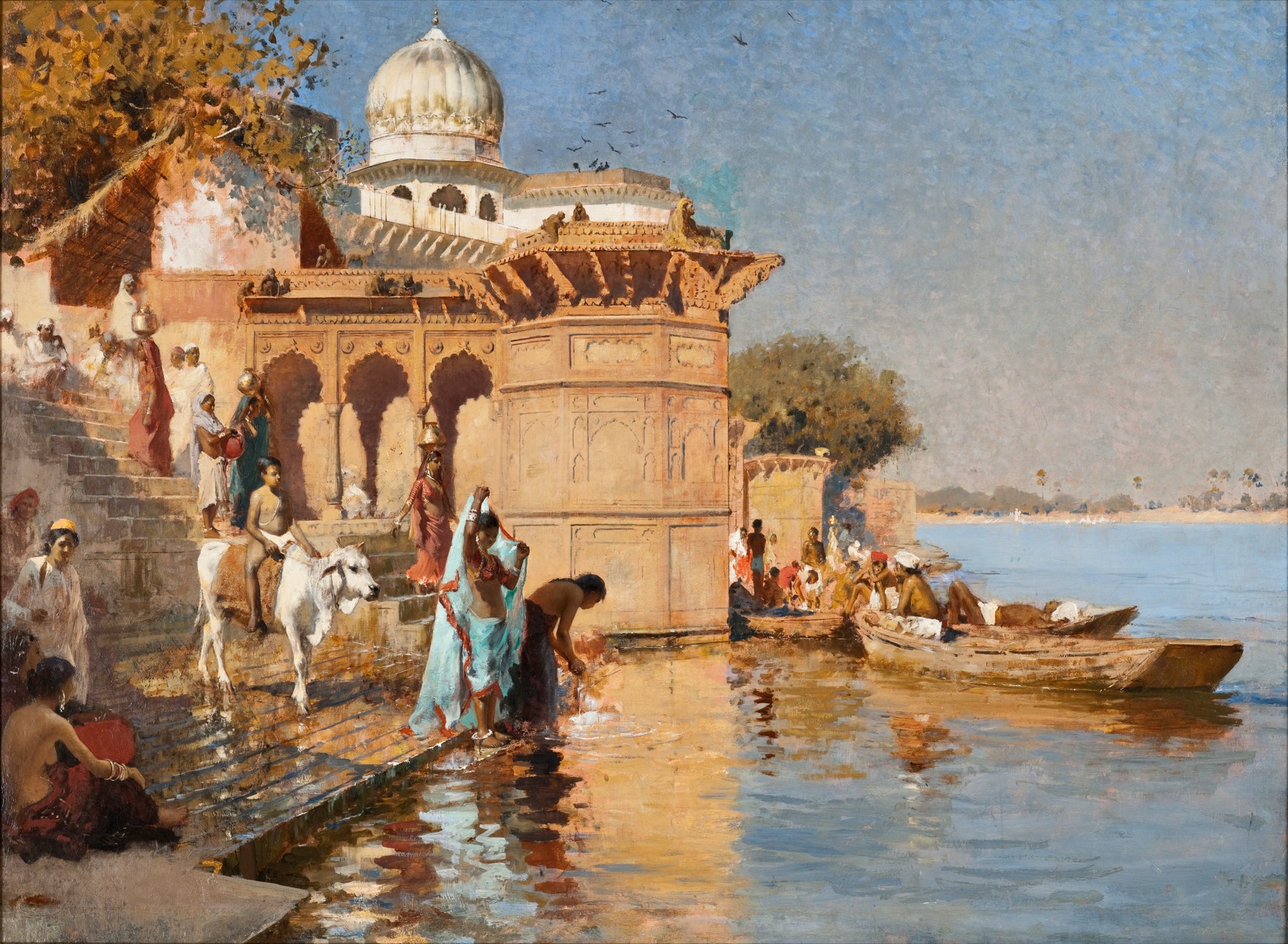



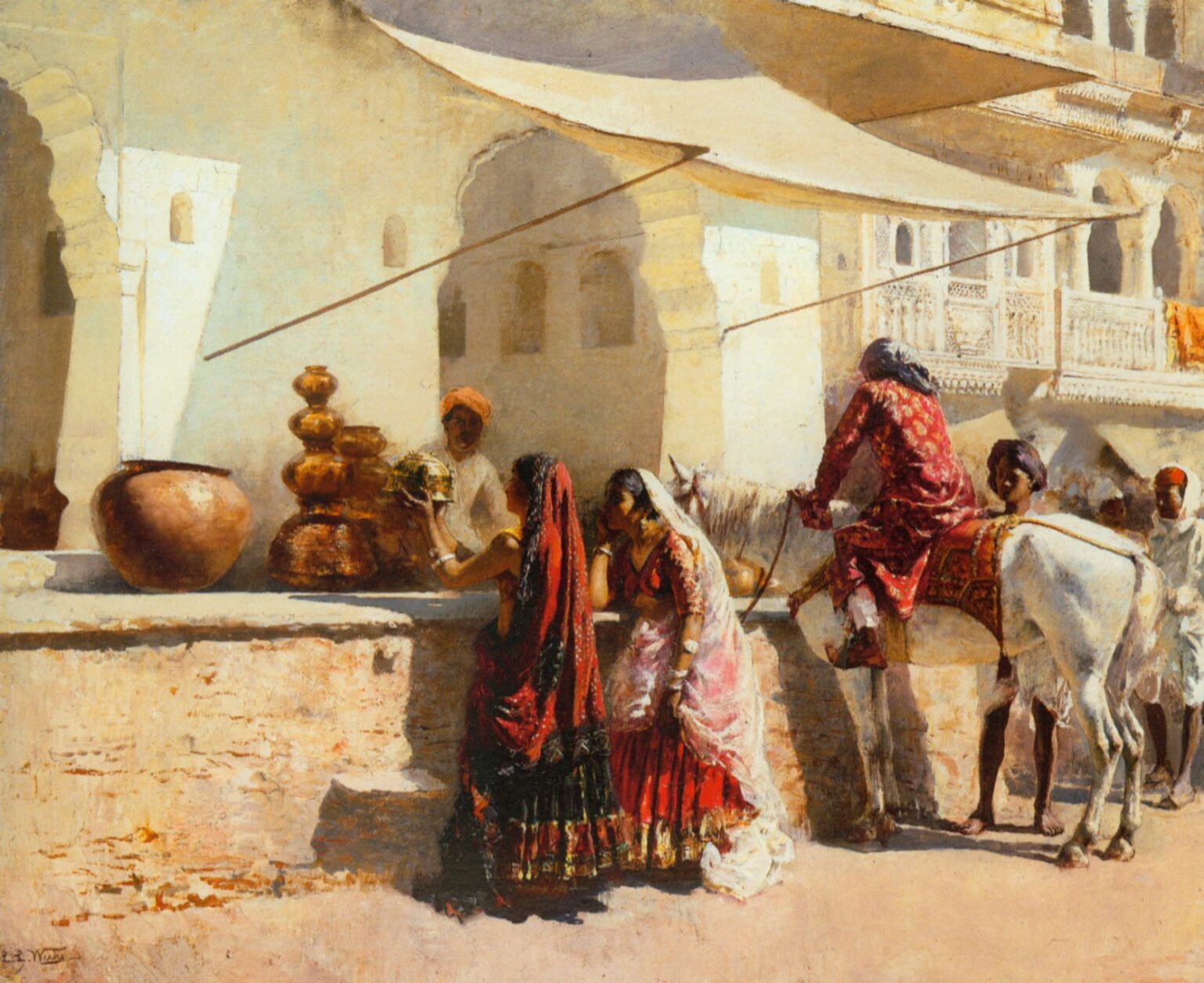
The first time I came across Edwin Lord Weeks’ paintings of India, I wasn’t looking for history. I was looking for a feeling.
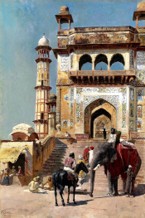
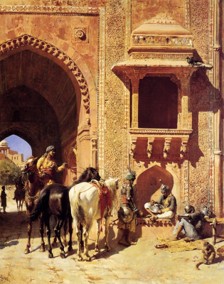
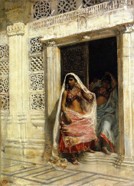
What stopped me wasn’t a famous monument or an extraordinary event. It was something much quieter. A dusty street. Sunlight slipping across an old wall. A group of strangers going about their day as if nobody was watching. Somehow, Weeks made these ordinary moments feel timeless.
Many artists documented India. Weeks, in my eyes, captured its atmosphere. And perhaps that’s why his paintings still feel alive today.
The India between Destinations
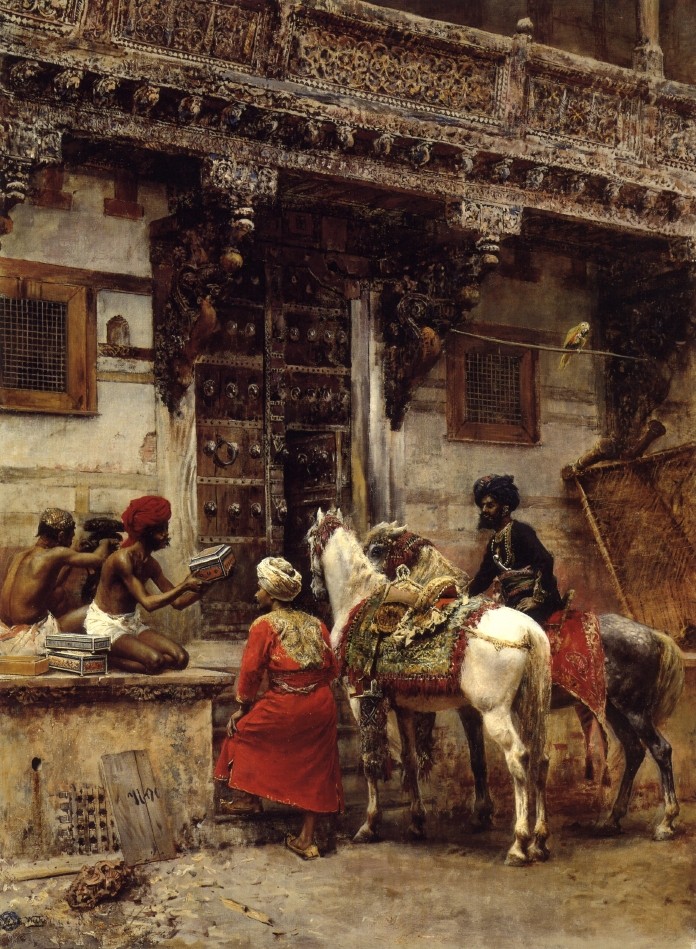
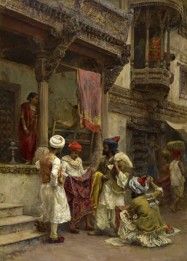
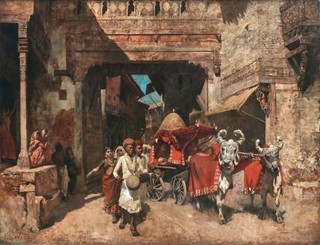
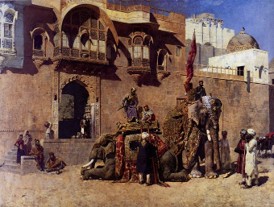
When we think of nineteenth-century India, we often imagine grand forts, palaces, and temples. Weeks certainly painted those, but what fascinates me is everything in between.
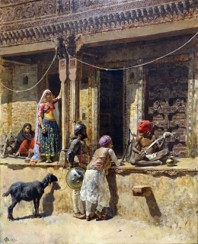
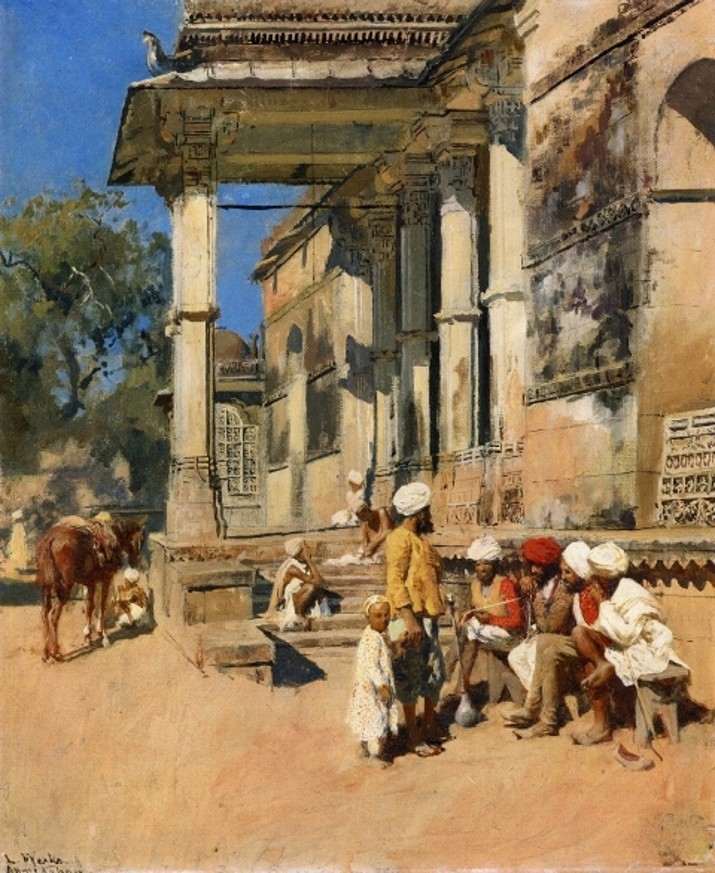
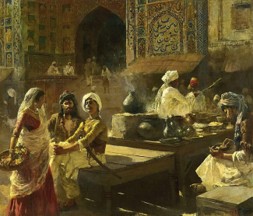
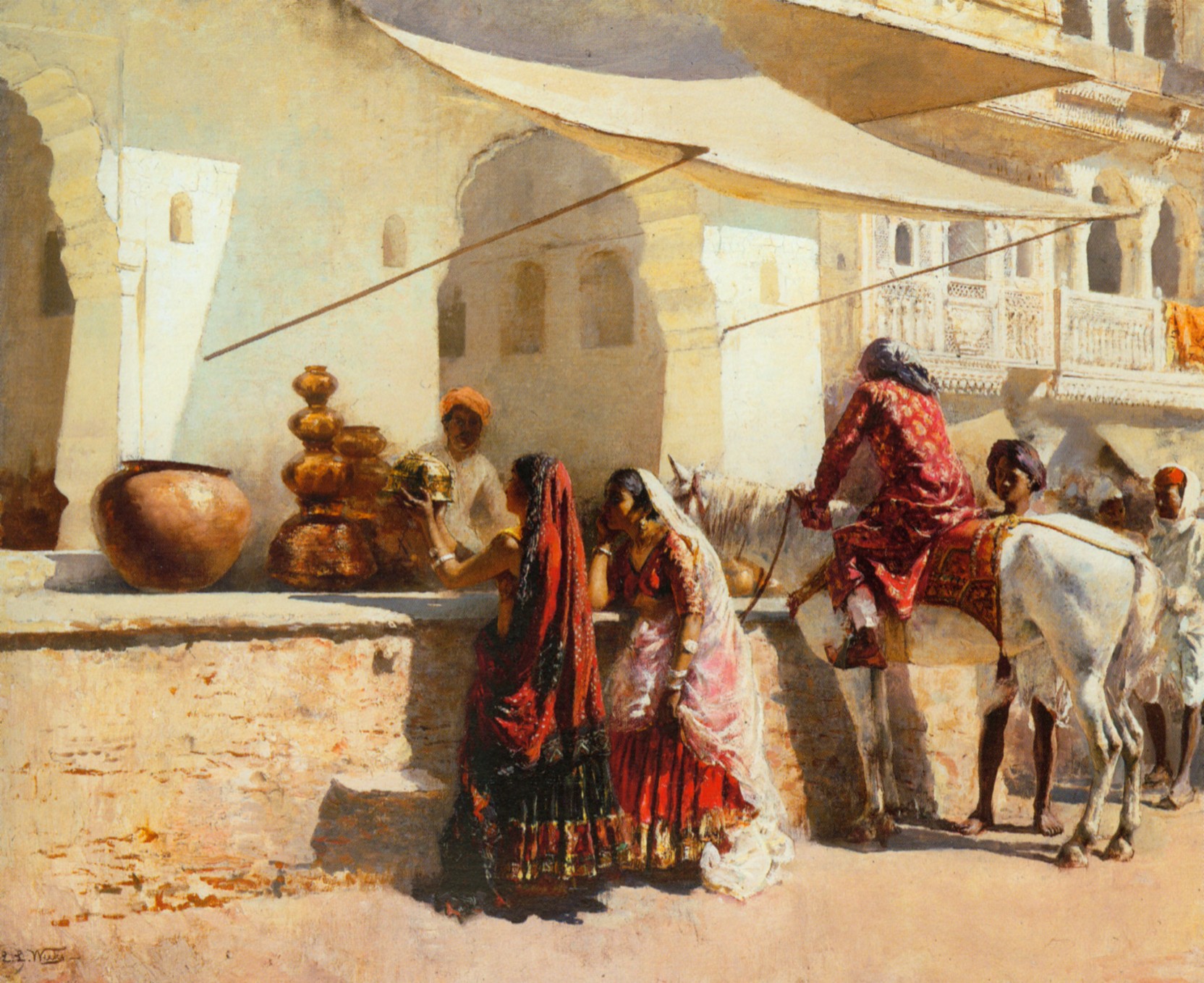
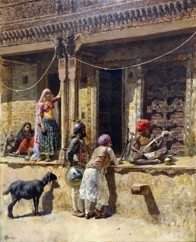
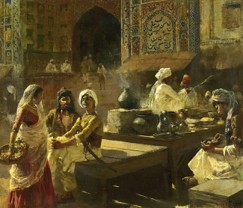
He looked beyond destinations. His attention rested on fruit sellers waiting for customers, travellers resting beneath a tree, children wandering through narrow lanes, and people simply existing. These weren’t dramatic moments. They were everyday life.
To me, this is where the identity of a country truly lives. Not only in its monuments, but in the ordinary rhythm unfolding around them.
Sunlight as a Character
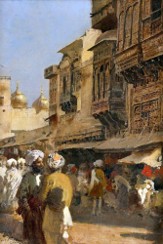
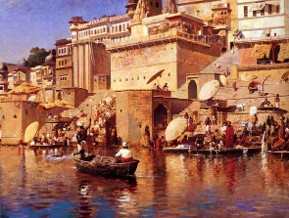
If I had to choose one thing that defines Edwin Lord Weeks’ paintings, it would be the light.
His sunlight doesn’t merely illuminate a scene; it becomes part of the story. It settles on dusty roads, warms faded walls, catches the folds of a turban, and slows the pace of the viewer’s eye. Looking at these paintings, I almost feel the heat of an Indian afternoon.
Perhaps that’s why they feel familiar. Even today, we’ve all seen that golden light that quietly transforms an ordinary street into something unforgettable.
Textures That Tell Stories
The walls are worn. The stone is uneven. The roads are dusty. Nothing appears polished, and that is exactly what makes these paintings believable.
Those textures don’t distract from the beauty, they create it. They remind us that places become meaningful because they are lived in. Every crack, stain, and weathered surface hints at years of footsteps, conversations, and memories.
Weeks seemed to understand that authenticity rarely comes wrapped in perfection.
Why They Still Resonate
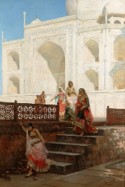
More than a century has passed since these scenes were painted, yet many of them don’t feel distant. Of course, India has changed. Cities have grown, skylines have risen, and daily life has become faster.
But certain things remain surprisingly constant: the warmth of afternoon sunlight, the movement of crowded streets, conversations outside small shops, and the quiet beauty hidden within everyday life.
Looking at Edwin Lord Weeks’ paintings, I don’t simply feel that I’m seeing old India. I feel as though I’m being reminded that the essence of a place isn’t preserved only in monuments or museums. It survives in its light, its textures, and its people.
Closing Reflection
When I return to Edwin Lord Weeks’ paintings, I don’t return for history alone. I return because they remind me that beauty doesn’t always announce itself.
Sometimes it lives in dust floating through warm sunlight. Sometimes it rests on an old wall. Sometimes it quietly walks through a crowded street unnoticed.
Perhaps that’s what Weeks painted best, not India as a collection of landmarks, but India as a feeling. And feelings, unlike buildings, have a remarkable way of surviving time.